
The Federal Government has announced plans to phase out the separation between Junior Secondary School (JSS) and Senior Secondary School (SSS), describing the current arrangement as ineffective in addressing Nigeria’s growing school dropout crisis.
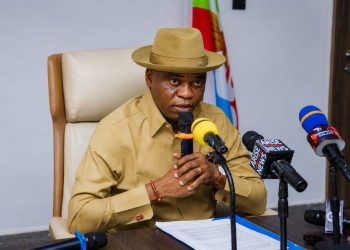
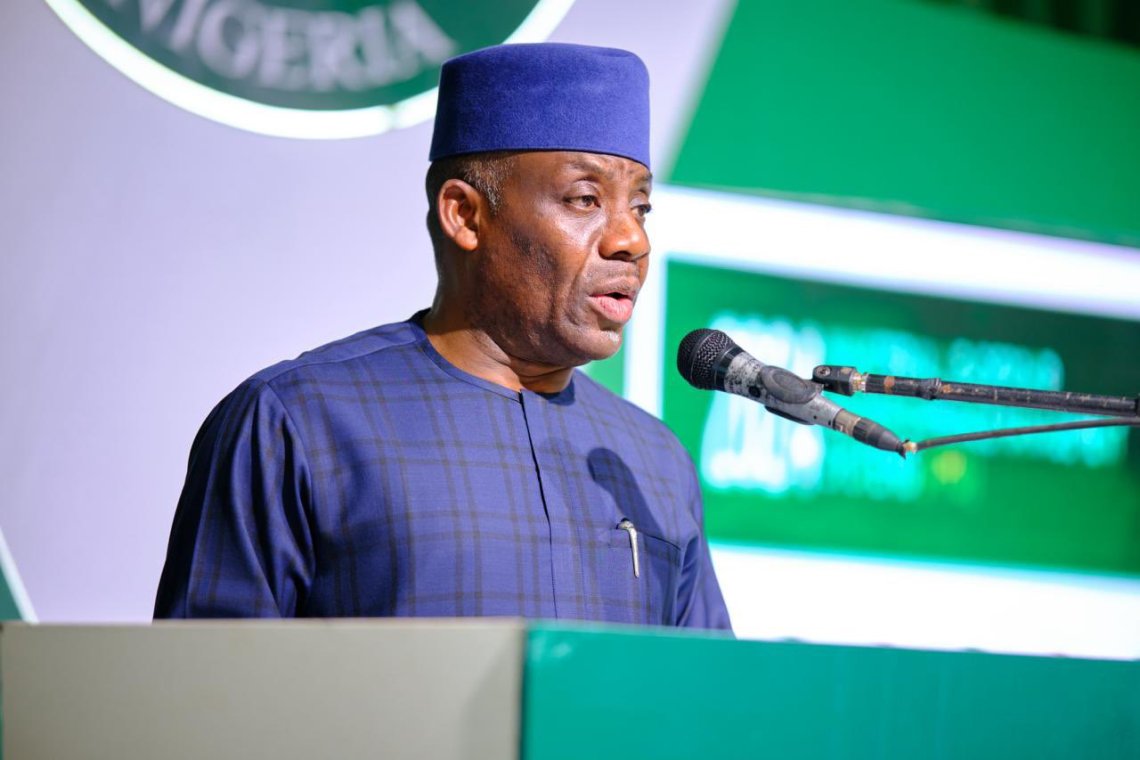
Minister of Education, Dr. Maruf Tunji Alausa, disclosed the decision on Tuesday in Abuja during the inauguration of the Universal Basic Education Commission (UBEC) Ministerial Implementation and Monitoring Committee.
According to the minister, the existing policy, which separates junior and senior secondary education with different administrative structures, has failed to ensure a smooth transition for learners, leaving millions of children out of school.
Alausa revealed that more than 20 million pupils who enrolled in primary school failed to progress to senior secondary education, describing the situation as unacceptable.
“We have 20 million dropouts from primary school to JSS. Where are those students? We also found we have about 80,000 public primary schools but only about 15,000 junior secondary schools. That imbalance has created overcrowding in some schools while others remain underutilised,” the minister said.
He said the Federal Government would present the proposal to abolish the JSS-SSS separation policy at the next meeting of the National Council on Education (NCE), Nigeria’s highest education policy-making body, for consideration and approval.
The announcement therefore concerns a proposed policy change rather than an immediate nationwide abolition of JSS and SSS.
The minister explained that the reform is intended to create a more seamless basic education system, improve access to secondary education, reduce dropout rates and enhance learning outcomes across the country.
Alausa also inaugurated a committee chaired by Prof. Rashid Aderinoye to oversee the implementation and monitoring of UBEC-funded Smart Schools, Bilingual Schools and Alternative Schools.
The committee is expected to ensure the timely completion, handover and effective operation of the projects nationwide.
Education stakeholders are expected to closely watch the deliberations of the National Council on Education, as any approved reform would mark one of the most significant changes to Nigeria’s education system in decades.