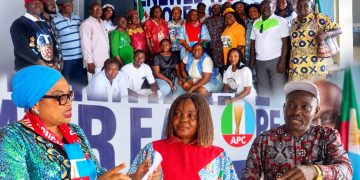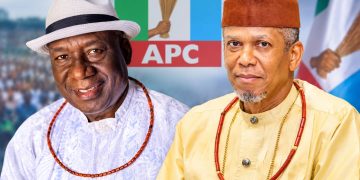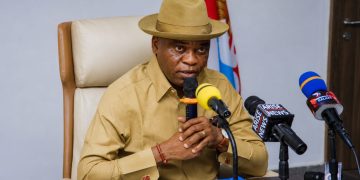


The build-up to the 2026 National Executive elections of the Delta State University (DELSU) Abraka Alumni Association has taken a dramatic turn, with allegations of undue interference by an alleged cabal in the Association’s National Executive Committee (NEC) threatening to overshadow the credibility of the electoral process.
At the centre of the controversy is the decision of the National Executive, led by National President Alumnus Joseph Igbuwe, to insist that members of the Bayelsa Branch should neither vote nor contest in the forthcoming election despite the Electoral Committee (ELECO) having earlier cleared the branch and one of its members to participate.
The development has generated widespread concern among stakeholders, who fear that the independence of the Electoral Committee is being compromised through actions perceived as attempts to overturn decisions already taken by the constitutionally empowered body.
Those concerns have been heightened by another NEC meeting convened by the National President for Friday, July 3, 2026, at the Senior Staff Club, Campus I, Abraka, by 11 a.m. Some members believe the meeting could provide another platform for deliberations capable of influencing the Electoral Committee ahead of the National Congress scheduled for July 18.
The controversy began after the Electoral Committee screened aspirants, considered petitions, investigated complaints and subsequently published the list of qualified candidates for the national election.
Among those cleared was Bayelsa Branch member Denyefa Paxton, who was approved to contest for the office of Social Director after the Committee examined petitions challenging his eligibility.
However, following an emergency NEC meeting held on June 13, Alumnus Igbuwe and some members of the National Executive Committee allegedly loyal to him resolved that the Bayelsa Branch should not participate in the election, arguing that the branch was inaugurated on April 13, 2025, and therefore could not satisfy the constitutional requirement of three years’ financial standing.
The Electoral Committee has strongly defended its decision, maintaining that it carried out a thorough investigation before clearing the branch.
In a formal report, the Committee stated that historical records showed the Bayelsa Branch was originally inaugurated in 2016 under a previous administration and that the 2025 exercise merely revalidated and reintegrated the branch after years of inactivity occasioned by internal disputes.
According to the Committee, revalidation cannot be equated with first inauguration and should not deprive members of constitutional rights already acquired.
The Committee further noted that it interviewed both past and current national officers, reviewed historical records and considered previous precedents involving other branches before arriving at its conclusion.
It also argued that Bayelsa Branch had resumed active participation in the Association, complied with current financial obligations and was sufficiently recognised by the national leadership, evidenced by the appointment of its Branch Chairman as a member of the Electoral Committee.
Despite these findings, NEC maintained its position that the branch should remain excluded from the electoral process, a development that has fueled accusations that the Executive is venturing into responsibilities constitutionally reserved for the Electoral Committee.
The Secretary of the Electoral Committee, Alumnus Steve Ogheneoseme Akpoguma, has cautioned that electoral matters should be handled with fairness, objectivity and respect for due process.
He stressed that while stakeholders are entitled to seek constitutional interpretations, actions capable of undermining the credibility, independence and integrity of the Electoral Committee should be avoided.
Akpoguma maintained that the Committee was duly constituted to organise the election, screen aspirants, determine qualifications and publish the final list of candidates, insisting that those responsibilities should not be subjected to external influence.
The controversy has also reached the office of the Vice Chancellor of Delta State University, Professor Samuel Ogheneovo Asagba, following a formal protest requesting urgent intervention.
In the petition, the Electoral Committee Secretary urged the Vice Chancellor to intervene before the disagreement degenerates into a deeper institutional crisis capable of damaging the image of both the Alumni Association and the University.
The petition argued that Bayelsa Branch was originally inaugurated in 2016 and merely revalidated in 2025, adding that the branch had already been recognised through active participation in national activities and representation on the Electoral Committee.
It further expressed concern that reversing the Committee’s decision after candidates had been screened, cleared and had commenced campaigns could weaken confidence in the electoral process and create the impression that personal interests were taking precedence over constitutional procedures.
The petition also appealed to the Vice Chancellor to invite the National President, the former National President who inaugurated the Bayelsa Branch in 2016, the Bayelsa Branch Chairman and relevant members of the Electoral Committee to resolve the dispute peacefully.
With another NEC meeting now scheduled for July 3 and the National Congress fixed for July 18, attention has shifted to whether the University’s management will step in to protect the integrity of the electoral process.
Observers believe any further attempt by the National Executive to revisit decisions already made by the Electoral Committee may deepen existing divisions and raise further questions about the independence and credibility of the 2026 DELSU Alumni Association elections.