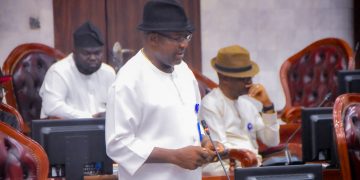

Fresh political tension eased in the Nigerian Senate on Thursday after lawmakers reversed a controversial amendment to the Senate Standing Orders that had restricted eligibility for key leadership positions in the 11th National Assembly.
The earlier amendment, approved earlier this week, had stipulated that only senators who had served at least two consecutive terms in the Senate would be qualified to contest for presiding offices such as Senate President and Deputy Senate President in 2027.
The decision immediately sparked outrage within political circles and among some lawmakers, who argued that the new rule was designed to sideline incoming senators and influential political figures expected to return to the Red Chamber after the 2027 general elections.
However, in a dramatic U-turn on Thursday, the Senate rescinded the amendment, effectively reopening the race for leadership positions in the next Assembly.
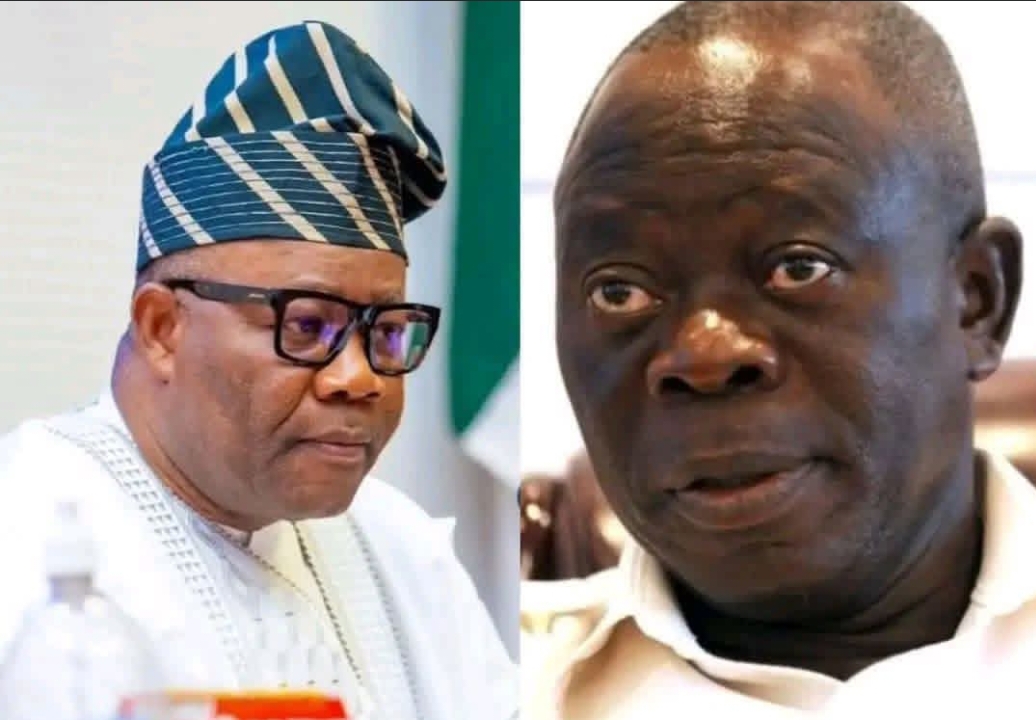
The reversal followed mounting controversy and heated exchanges within the chamber, including a reported clash between Senate President Godswill Akpabio and Senator Adams Oshiomhole over the implications of the amended rules.
According to reports, the motion to rescind the amendment was sponsored by Senate Leader Opeyemi Bamidele and presided over by Deputy Senate President Barau Jibrin.
Political observers believe the initial amendment was widely interpreted as a move to protect the current Senate leadership ahead of the 2027 succession battle, particularly amid speculations that several outgoing governors and former senators may seek a return to the upper legislative chamber.
Among those reportedly affected by the now-withdrawn rule were Imo State Governor Hope Uzodimma and former Deputy Senate President Ovie Omo-Agege, both believed to be weighing future Senate ambitions.
With the reversal, eligibility for Senate leadership positions returns to the previous arrangement, allowing ranking senators and other qualified lawmakers to contest for the coveted offices in the 11th National Assembly.
The development has reignited political calculations within the Red Chamber, setting the stage for what analysts predict could become an intense contest for control of the Senate after the 2027 elections.