

Russia’s restrictions on transgender people adopting or fostering children have come under renewed scrutiny amid a broader crackdown on LGBTQ+ organisations in 2026, raising fresh concerns among human rights advocates over discrimination, freedom of association and the welfare of children who need permanent homes.
The adoption restrictions stem from a law passed by Russia’s parliament in July 2023, which bars transgender people from adopting children, becoming their guardians or serving as foster parents. The legislation also prohibits gender-transition medical interventions and changes to legal gender markers in official documents.
Russian authorities defended the measures as necessary to protect children and preserve what they describe as the country’s traditional values. Critics, however, argue that the restrictions discriminate against transgender people and limit their ability to build families.
Human Rights Watch condemned the 2023 legislation, arguing that it violated transgender people’s fundamental rights. The organisation has also criticised Russia’s broader restrictions on LGBTQ+ people, warning that state policies are increasingly marginalising sexual and gender minorities.
2026: Courts Target LGBTQ+ Support Organisations
The crackdown intensified in 2026, when Russian courts moved against organisations providing support to LGBTQ+ people.
Human Rights Watch reported on May 28, 2026, that courts had designated nine groups supporting LGBTQ+ people as extremist organisations between March and May, across seven Russian regions. The organisations included Coming Out, Parni Plus, the Russian LGBT Network, the Moscow Community Center for LGBT+ Initiatives and Centre T.
The designations place LGBTQ+ support work under increased legal pressure and threaten organisations that document abuses or provide information, legal assistance and other forms of support.
Hugh Williamson, Human Rights Watch’s Europe and Central Asia director, said: “Russian authorities are intensifying their criminalisation of those who provide critical support to the very LGBT people they have systematically persecuted.”
The development builds on a November 2023 Supreme Court ruling that designated the so-called international LGBT movement as extremist. Human Rights Watch warned at the time that the ruling could expose LGBTQ+ people, advocates and those expressing solidarity with them to arbitrary prosecution.
Foreign Adoption Restrictions Add to Concerns
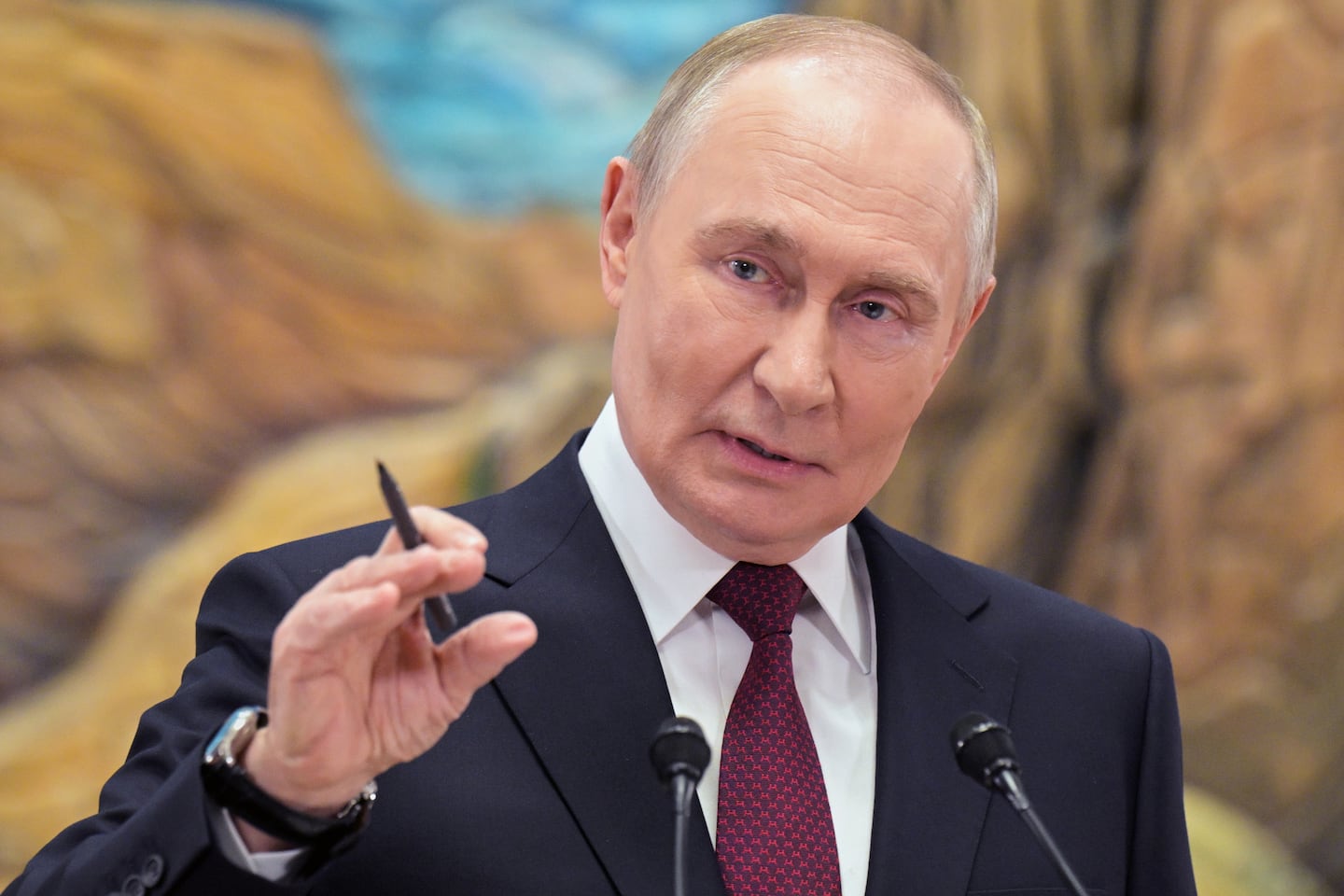
Russia also widened its adoption restrictions in November 2024, when President Vladimir Putin signed a law prohibiting citizens of countries where gender transition is legally permitted from adopting Russian-born children.
The measure extended the government’s approach beyond transgender Russian citizens to prospective foreign adopters, reinforcing the country’s position on gender identity and what officials describe as traditional family values.
Human rights advocates have challenged the broader policy direction, arguing that restrictions based on gender identity and LGBTQ+ rights can undermine fundamental freedoms and exclude prospective parents without adequately considering individual circumstances.
Debate Over Children’s Welfare and Human Rights
Russian officials maintain that the restrictions are intended to protect children and uphold traditional values. Critics counter that blanket exclusions based on gender identity risk prioritising ideological considerations over the welfare of children who need safe and permanent homes.
The 2023 adoption ban remains a central part of Russia’s restrictions on transgender people, while the 2026 court actions against LGBTQ+ support groups illustrate how the broader crackdown continues to affect organisations working with sexual and gender minorities.
As the measures draw renewed international scrutiny, the debate centres on the balance between Russia’s stated social-policy objectives and the rights of transgender people, LGBTQ+ communities and children seeking families.