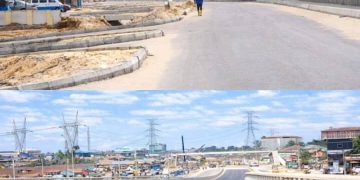

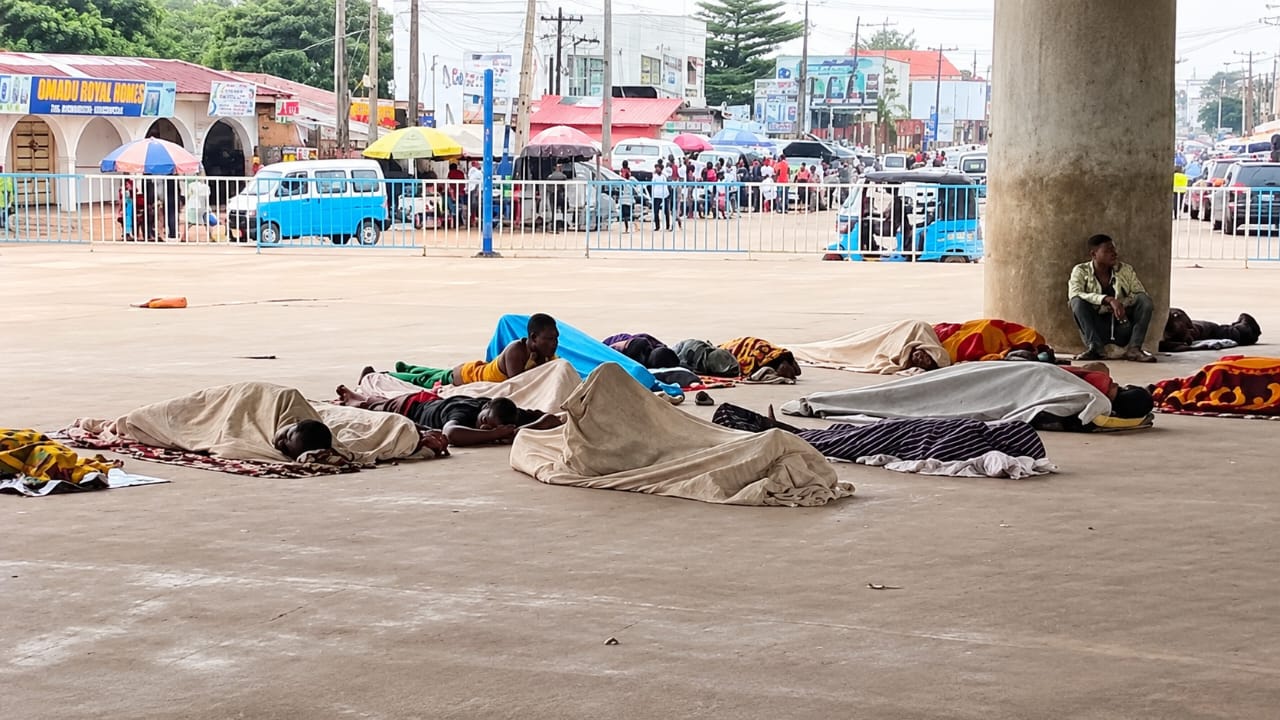
The alarm raised by the Asagba of Asaba, His Royal Majesty Obi (Prof.) Epiphany Chigbogu Azinge (SAN), over the growing occupation of the Koka Flyover by suspected miscreants should resonate far beyond Asaba. It is not merely a complaint about public nuisance; it is an early warning that public infrastructure, if left unmanaged, can quickly become a breeding ground for insecurity.
Across Nigeria, it has become a familiar pattern. Newly completed flyovers, bridges and underpasses are often celebrated as symbols of development. Yet, months after commissioning, the spaces beneath them gradually transform into makeshift homes for homeless persons, informal markets, drug users and individuals whose identities are unknown. Before long, residents begin to associate these areas with crime, poor sanitation and fear.
The Koka Flyover appears to be heading in that direction. The Asagba’s intervention is therefore timely and deserves the immediate attention of the Delta State Government, security agencies and urban development authorities. Waiting until serious criminal incidents occur before acting would amount to treating symptoms instead of preventing the disease.
More importantly, this should serve as a lesson for other strategic infrastructure across Delta State.
Governor Sheriff Oborevwori’s administration has invested heavily in transformative road infrastructure under the MORE Agenda. The Enerhen Junction Flyover in Uvwie Local Government Area has already been completed, while the PTI Junction Flyover and DSC Roundabout Flyover are nearing completion. These projects are expected to ease traffic congestion, improve connectivity and stimulate economic growth.
However, their long-term success will not be measured solely by the number of vehicles that pass over them. It will also depend on how effectively the spaces beneath and around them are managed.
The government should not wait for these under-flyover spaces to become occupied before introducing clear policies on their use. Prevention is invariably less costly than reclaiming areas that have become entrenched havens for criminality.
This calls for proactive urban planning. The underpasses should be deliberately designed and maintained as functional public spaces rather than neglected voids. Depending on feasibility, they could accommodate landscaped green areas, security outposts, monitored parking facilities, recreational spaces or other structured public uses that discourage illegal occupation.
Equally important is security. Regular police and community patrols, functional street lighting, CCTV surveillance where practicable, routine sanitation and strict enforcement against illegal structures should become part of the management plan from the outset, not after complaints begin to mount.
At the same time, authorities must recognise that not everyone found beneath a flyover is a criminal. Some are victims of poverty, displacement or mental health challenges. A humane response should therefore complement enforcement. Social welfare agencies should identify those genuinely in need of assistance and connect them with rehabilitation, temporary shelter or other support programmes, while security agencies deal decisively with criminal elements.
The warning from the Asagba of Asaba should not be viewed as an isolated concern. It is an opportunity for Delta State to develop a comprehensive framework for managing the spaces beneath major flyovers before similar challenges emerge elsewhere.
The Koka Flyover is today’s concern. Enerhen, PTI and DSC must not become tomorrow’s headlines for the wrong reasons.
Development does not end with the construction of infrastructure. It continues with its protection, proper management and preservation for the benefit of the people. Delta State now has an opportunity to demonstrate that world-class infrastructure deserves world-class maintenance, planning and security. It should seize that opportunity before preventable problems take root.
– Editorial Note: The views expressed in this editorial represent the position of the NewsNet Nigeria Editorial Board.