
By Emeke Alexander
The political temperature in Delta State may still appear calm on the surface, but events unfolding quietly within the camps of influential power brokers are beginning to reveal the contours of what could become one of the fiercest political realignments ahead of the 2027 general election.
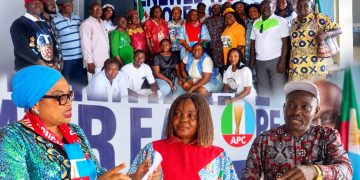
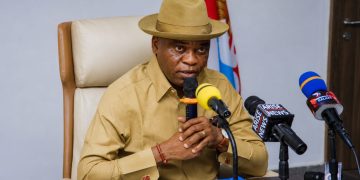
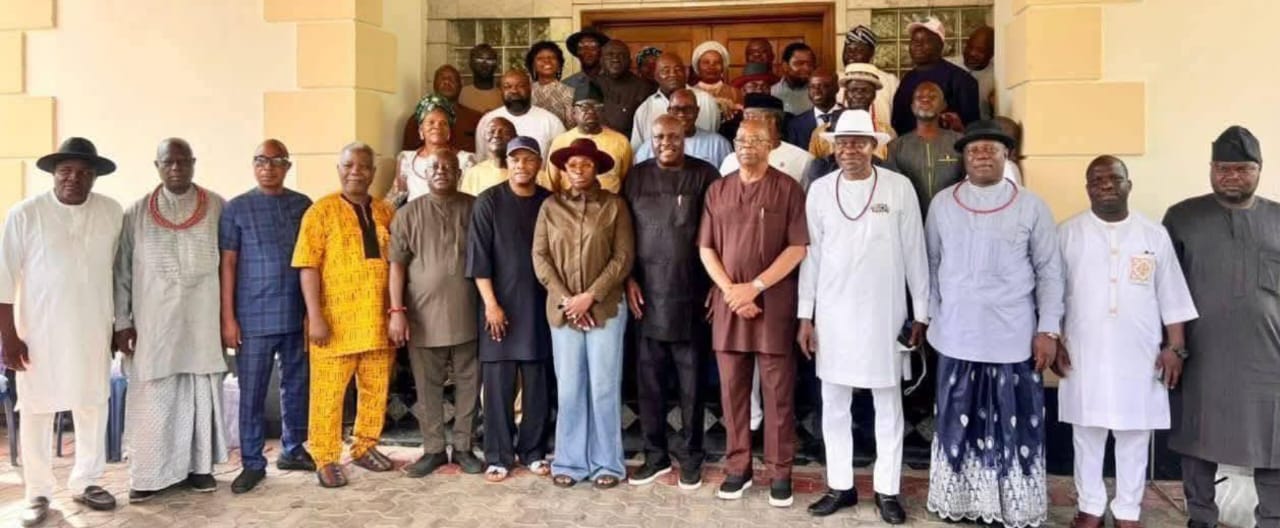
That reality came into sharper focus on Sunday as former Delta State governor, James Onanefe Ibori, hosted political leaders from Ethiope West Local Government Area at his country home in Oghara.
What initially appeared to be an ordinary political gathering quickly evolved into a conversation carrying deeper implications for Delta’s evolving power equation, especially within Delta Central Senatorial District and the broader Urhobo political structure.
The meeting, according to multiple accounts from persons familiar with discussions at the gathering, was attended mainly by political figures from Ethiope West, many of whom are aligned with the All Progressives Congress. Former Speaker of the Delta State House of Assembly, Chief Monday Igbuya, was reportedly the only attendee from outside Ethiope West.
Although no official communiqué was issued after the meeting, narratives emerging from participants and political insiders suggest the gathering was less about ceremony and more about restoring political confidence, rebuilding fractured loyalties, and reasserting leadership direction within the Ibori political family.
For years, the political structure associated with Ibori, often described as one of the most influential political networks in Delta State history, has remained a defining force in the state’s power dynamics. Even after leaving office in 2007, the former governor retained significant influence across party lines, particularly within Delta Central.
However, recent political developments, defections, and internal disagreements had fueled speculation that the once-formidable political dynasty was gradually losing cohesion. Sunday’s gathering in Oghara appears designed, at least symbolically, to counter that perception.
Sources familiar with the discussions said several attendees openly expressed frustration over what they described as a prolonged absence of clear political direction from Ibori in recent years. Some reportedly accused the former governor of leaving loyalists politically “rudderless” while competing interests filled the vacuum.
But Ibori, according to accounts from the meeting, rejected suggestions that he abandoned his political associates.
In what insiders described as one of the defining moments of the gathering, the former governor was quoted as telling attendees that he never stopped leading them, arguing instead that many among them chose alternative political directions on their own.
He reportedly reminded some leaders of their previous strategic roles during his administration and suggested that loyal political followers should have been able to discern his preferred direction without explicit public declarations.
The comments are already generating political interpretations across Delta State, especially because of their timing.
The meeting came barely days after renewed conversations over alignments ahead of 2027 intensified within both the APC and the Peoples Democratic Party in Delta State.
Particularly significant is the growing speculation surrounding Delta Central’s political future and the possible return ambitions of former Deputy Senate President, Senator Ovie Omo-Agege.
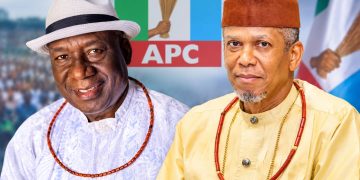
Despite operating from different political tendencies over the years, both Ibori and Omo-Agege command substantial influence within Delta Central. Any perceived alignment, understanding, or strategic convergence between both camps could significantly alter political calculations ahead of 2027.
Observers also believe the symbolism of the Oghara gathering extends beyond personalities.
Ethiope West occupies a strategic place in Delta politics, not only because it is Ibori’s home base, but because political loyalty from the area often serves as an indicator of wider alignments within Delta Central.
The optics emerging from the meeting, particularly photographs showing key political actors standing closely around Ibori, have since circulated widely across social media, accompanied by claims that “the Ibori political family is back.”
While political slogans and declarations are common in Delta’s highly competitive environment, the real significance of the gathering may lie in its underlying message: that Ibori still intends to play an active role in shaping the next phase of Delta politics.
Another dimension adding intrigue to the developments is the allegation that local government political structures were simultaneously receiving mobilisation directed to wider political calculations elsewhere in the state.
Though such claims remain independently unverified, they have further fueled speculation that consultations and strategic positioning are already underway far ahead of formal campaign activities.
For now, what remains undeniable is that the Oghara meeting has reignited conversations about loyalty, succession, influence, and political control within Delta State.
In a political environment where silence often carries more meaning than public declarations, Sunday’s gathering may ultimately be remembered less for what was openly said and more for the signals many believe were deliberately sent.
As Delta gradually inches toward another electoral cycle, the return of visible consultations around Ibori suggests that old political structures may yet remain powerful factors in determining the state’s future direction.