
The Nigeria Centre for Disease Control and Prevention (NCDC) has identified two suspected Ebola disease cases as health authorities intensify surveillance and contact tracing following the confirmation of an infection in the Federal Capital Territory (FCT).
However, the agency has clarified that the two cases refer to the confirmed index case and another suspected case investigated in Rivers State, which subsequently tested negative for Ebola. Nigeria had one confirmed case as of the NCDC’s October 25 update.
The Director-General of the NCDC, Dr Jide Idris, disclosed the figures on Sunday during a press briefing in Abuja, where he provided an update on the country’s response to the outbreak.
“We have established two suspected cases and 53 primary contact links,” Idris said, explaining that the contacts were being monitored as part of ongoing efforts to prevent further transmission.
According to the NCDC, 53 primary contacts linked to the confirmed patient had been identified, including 44 people associated with the health facility where she received treatment and nine additional contacts.
The contacts include healthcare workers, household members and other individuals who may have been exposed to the confirmed patient. Public health teams are monitoring them for 21 days after their last possible exposure, in line with established disease surveillance procedures.
The confirmed case involves a 42-year-old woman who returned to Nigeria from Uganda through Addis Ababa on October 3, 2026. She reportedly developed symptoms on October 7 and sought medical attention at private health facilities before the NCDC was notified on October 19.
Laboratory testing at the agency’s National Reference Laboratory confirmed the infection on October 20. The patient was subsequently placed in isolation and continued to receive medical care, according to the NCDC’s October 25 situation update.
The agency reported that a suspected case detected in Rivers State tested negative, clarifying that the investigation had not resulted in a second confirmed infection.
Idris said isolation and quarantine facilities were available to support the response, while approximately 12 public and private laboratories had been identified to conduct Ebola testing.
The agency is also strengthening surveillance, laboratory capacity and infection prevention measures in healthcare facilities.
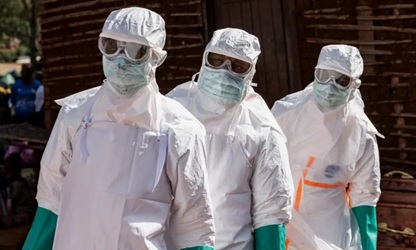
The NCDC has urged healthcare facilities to improve screening and triage procedures, maintain infection prevention and control standards, and ensure that healthcare workers have appropriate personal protective equipment when managing suspected cases.
The agency has also appealed to people contacted by public health officials to cooperate with contact-tracing teams and provide accurate information about their movements, contacts and any symptoms they may experience.
The NCDC emphasised that being identified as a contact does not mean a person has Ebola, but indicates the need for monitoring to detect possible infection early and prevent further transmission.
As Nigeria strengthens its response, health authorities continue to rely on surveillance, laboratory testing, isolation and contact tracing to contain the confirmed infection and reduce the risk of further spread.