
The governorship candidate of the Nigeria Democratic Congress (NDC) in Delta State, Deacon Chris Iyovwaye, has called for a more transparent and inclusive approach to the management of oil derivation funds, proposing a system that would give oil-producing communities a stronger stake in the resources generated from their environment.
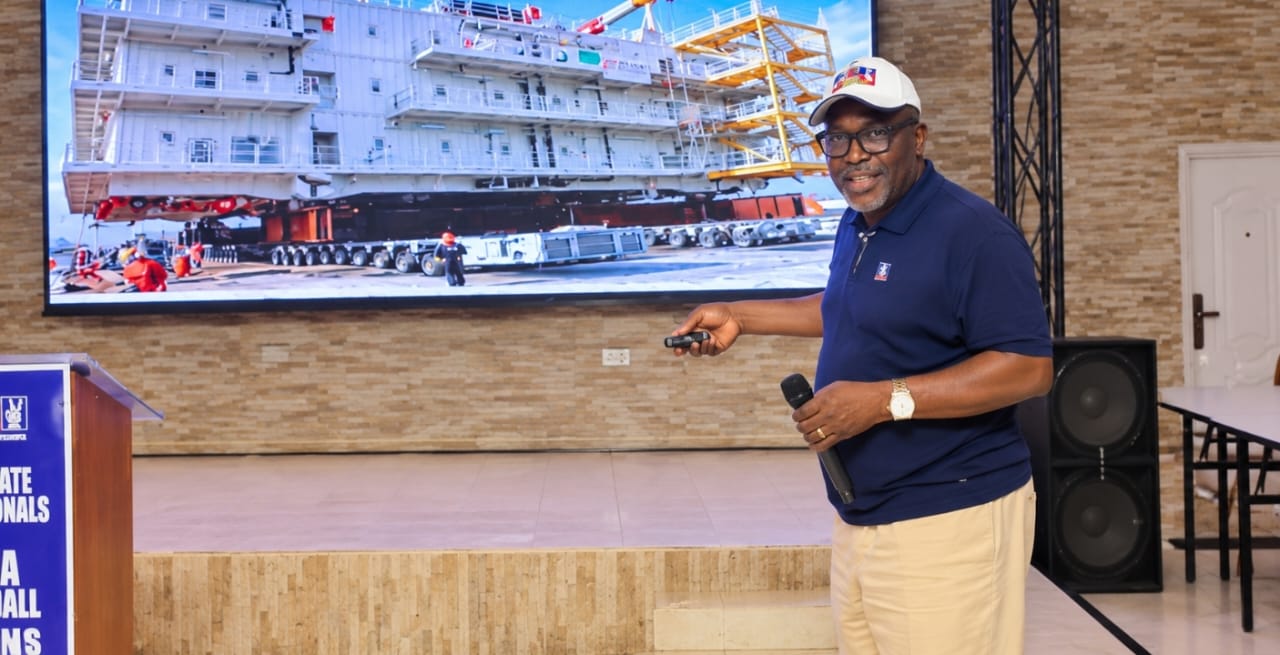
Iyovwaye made the proposal recently at a mega town hall meeting organised by the Directorate for Labour and Professional Bodies of the NDC at Monarchy Event Centre, Effurun.
He argued that communities responsible for producing the oil and gas that sustain a significant portion of Nigeria’s revenue should experience more direct economic benefits from the resources extracted from their land and waters.
The NDC candidate proposed a 50-50 sharing arrangement between the state government and host communities in the management of the 13 per cent derivation allocation, alongside mechanisms to ensure that funds reach their intended beneficiaries.
He said the resources should be deployed in ways that stimulate local businesses, create employment and improve infrastructure and living conditions in oil-producing communities.
Iyovwaye maintained that the objective should not merely be to distribute funds but to establish a system that enables communities to invest in productive ventures and generate sustainable income.
He argued that a more transparent approach to the derivation fund could help expand economic opportunities and reduce the disconnect between oil production and the living conditions of host communities.
The candidate also called for stronger accountability at the local government level, proposing regular engagement between councils and residents to review revenue generation, expenditure and development projects.
He said local government administrations should be more directly answerable to the people, adding that public officials must be required to explain how funds entrusted to them are being utilised.
According to him, accountability should extend to state ministries and government agencies, with clear procedures to prevent arbitrary decisions and ensure that public resources deliver measurable benefits.
Iyovwaye said Delta needed a governance framework that would allow communities to participate meaningfully in decisions affecting their development.
He maintained that unlocking the economic potential of oil-producing areas and strengthening grassroots accountability would be important steps towards building a more inclusive state economy.