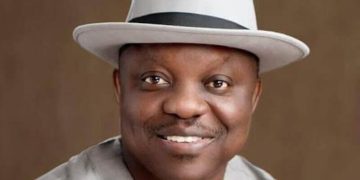


Delta State has lost one of its most prominent political figures with the death of former Governor Dr Emmanuel Eweta Uduaghan, whose journey from medical practice to the highest political office in the state spanned decades of public service.
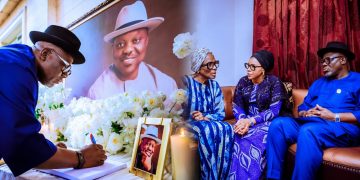
Uduaghan died on Monday, October 19, 2026, at the age of 71, just three days before his 72nd birthday. His death has triggered tributes from political leaders, associates and residents reflecting on his contribution to Delta State and Nigeria.
The family announced his passing in a statement signed by Toju Anire Uduaghan, describing the loss as deeply painful to the family and the wider community.
“His passing is an immeasurable loss to our family, the people of Delta State, and Nigeria at large,” the family said, adding that his loved ones would “forever cherish his memory and enduring legacy.”
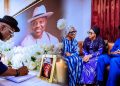
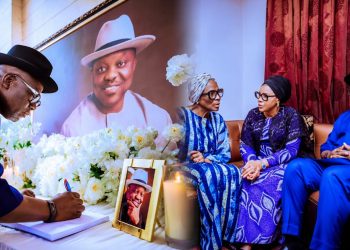
President Bola Tinubu and Delta State Governor Sheriff Oborevwori were among the leaders who expressed condolences, acknowledging Uduaghan’s years of public service and his place in the state’s political history.
Oborevwori described his predecessor as “a detribalised leader whose contributions to the development of the state would not be forgotten.” He extended his sympathies to Uduaghan’s wife, Roli, their children, the Uduaghan family and the Itsekiri nation.
Uduaghan governed Delta State from May 2007 to May 2015, serving two terms under the Peoples Democratic Party (PDP). His administration came at a period when the state was grappling with the challenges of developing infrastructure, improving public services and reducing its dependence on oil revenues.
Born on October 22, 1954, in present-day Warri North Local Government Area, Uduaghan trained as a medical doctor at the University of Benin, graduating in 1980. Before entering elective politics, he worked in the health sector, an experience that later informed his involvement in government healthcare programmes.
His formal journey through Delta State’s political administration began in 1999, when then Governor James Ibori appointed him Commissioner for Health. He later became Secretary to the State Government, serving from 2003 until 2007, when he emerged as governor.
During his eight years in office, Uduaghan pursued projects and policies in healthcare, education, infrastructure, peace and security. His administration also promoted the “Delta Beyond Oil” vision, aimed at encouraging economic activities outside the petroleum sector through areas such as agriculture, tourism and small-business development.
The legacy of his administration remains a subject of public discussion, with supporters pointing to its development initiatives and critics assessing its record against the expectations of residents across the state.
Uduaghan’s political career continued after he left office in 2015. He contested the Delta South Senatorial District seat in 2019 but was unsuccessful. His later political journey included moves between the PDP and the All Progressives Congress (APC), reflecting the shifting alliances that have shaped Delta and national politics.
Beyond the offices he held, Uduaghan’s career represented a transition from professional medicine to public administration and electoral leadership. His rise through the state’s health and administrative structures before becoming governor made him a central figure in Delta’s political evolution during the 2000s and early 2010s.