
The United States’ Christmas Day airstrikes on ISIS-linked militants in Sokoto State have opened a new and uncomfortable chapter in Nigeria’s counter-terrorism story, raising questions not only about the spread of extremist violence into the country’s northwest but also about how Nigeria manages security partnerships, intelligence trust, and public communication.
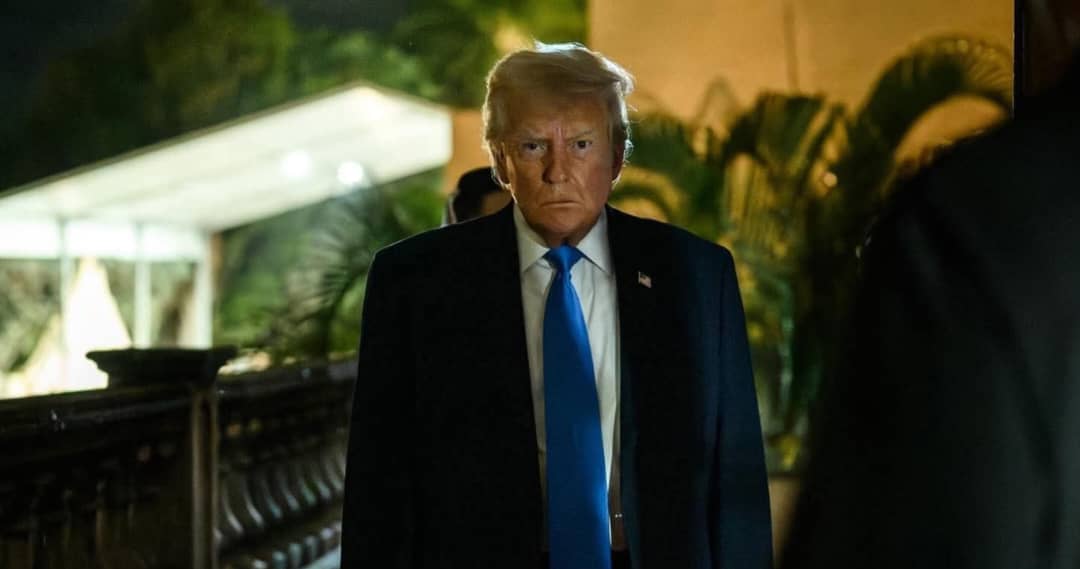
On 25 December 2025, U.S. President Donald Trump announced that American forces had carried out “powerful and decisive” strikes against Islamic State militants in Nigeria, stating that the operation was executed “at my direction as Commander in Chief.” The announcement, made via his social media platform Truth Social, came hours before detailed public acknowledgement from Nigerian authorities. Shortly after, U.S. Africa Command (AFRICOM) confirmed that precision strikes were conducted in Sokoto State, killing multiple ISIS operatives and degrading the group’s operational capacity.
Despite widespread commentary suggesting unilateral U.S. action, official statements from Nigeria’s Ministry of Foreign Affairs and Defence Headquarters clarified that the strikes were conducted within the framework of ongoing counter-terrorism cooperation between both countries. Nigerian officials emphasised that intelligence sharing and strategic coordination had been in place, describing the operation as part of a broader joint effort to address the evolving terrorist threat in the northwest. The Federal Government also reiterated its long-standing position that Nigeria’s security crisis is not a religious war, noting that both Muslim and Christian communities have suffered from extremist violence.
What has drawn particular attention, however, is the location of the strike. Sokoto has rarely featured prominently in official Nigerian briefings on areas under strong terrorist influence, which have traditionally focused on the North-East and parts of the North-Central region. Security analysts say this reflects a quieter but steady expansion of ISIS-aligned cells into border communities in the northwest, taking advantage of porous frontiers, arms trafficking routes, and weak state presence in rural areas. In that context, the strike underscores growing international concern that extremist networks in the Sahel are increasingly intersecting with Nigeria’s internal security challenges.
Equally significant is the manner in which information about the operation entered the public domain. President Trump’s early and highly personalised announcement, framed in the language of decisive executive action, contrasted with Nigeria’s more cautious diplomatic tone. While there is no evidence that Nigeria was excluded from the operation itself, the sequencing of public disclosures has fuelled domestic debate about transparency, sovereignty, and whether Abuja retains narrative control over security actions carried out on its soil. Analysts note that in high-risk counter-terrorism operations, especially those involving embedded extremist sympathisers, limiting advance disclosure is often considered operationally necessary, though it can create political discomfort afterwards.
On the ground, details remain limited. There have been no independent reports of civilian casualties, and Nigerian military sources say security patrols have been intensified in affected border communities to prevent militant regrouping or retaliatory attacks. The Defence Headquarters, however, has maintained operational silence on specific tactical outcomes, consistent with its post-strike posture in previous joint operations.
Beyond the immediate military impact, the Sokoto strike reflects a broader shift in how external partners view Nigeria’s security trajectory. The U.S. has in recent years issued repeated warnings about extremist violence, religious freedom concerns, and regional instability spilling over from the Sahel. The decision to strike ISIS targets in Nigeria’s northwest suggests Washington sees the threat as no longer geographically contained or politically manageable through advisory support alone.
For Nigeria, the episode highlights a persistent dilemma: balancing the benefits of international military cooperation against public perceptions of autonomy and competence. While joint operations can deliver critical intelligence and strike capability, they also expose weaknesses in domestic surveillance, border control, and internal trust mechanisms. The debate stirred by the Sokoto operation, particularly on social media, reflects deeper public frustration over the state’s inability to decisively dismantle terrorist and kidnapping networks using its own resources.
As the Federal Government continues to reassure citizens of its control over national security decisions, the Sokoto strike stands as a reminder that Nigeria’s counter-terrorism battle is entering a more complex phase — one where threats are diffused, alliances are indispensable, and the politics of who speaks first can be almost as consequential as the bombs themselves.