
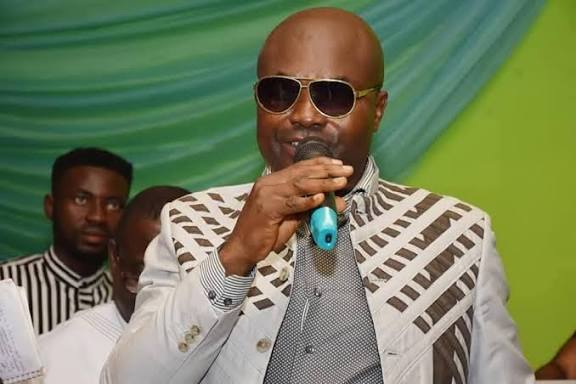
The President of the Radio, Television, Theatre and Arts Workers Union (RATTAWU), Prince Emeka Kalu, has described radio as “humanity in frequency,” stressing that the medium remains Nigeria’s most trusted and accessible platform for information, education, and national unity.
Speaking on the occasion of World Radio Day 2026, marked on February 13, Kalu said radio should be celebrated not merely as a communication technology but as a living force that informs, educates, empowers, and transforms societies.
He noted that from urban centres to the most remote communities, radio remains the most affordable and far-reaching medium, especially in a country where infrastructure and literacy gaps persist.
According to him, radio continues to play a decisive role during national emergencies, elections, and periods of social uncertainty.
He described it as the first responder in times of crisis, the guardian of democracy during elections, and a voice of reassurance when citizens face uncertainty.
Kalu warned that at a time when misinformation spreads rapidly, credible radio broadcasting remains a pillar of truth and social stability in Nigeria and across Africa.
He highlighted radio’s contribution to national development through civic education, public health awareness, agricultural extension services, youth empowerment, cultural preservation, and the promotion of national unity.
He added that radio strengthens democracy by giving voice to marginalised communities and holding those in authority accountable.
Kalu paid tribute to Nigerian broadcasters and media professionals, including presenters, engineers, producers, technicians, creative artistes, and administrative staff, describing them as unsung heroes who keep the airwaves alive, often under challenging conditions.
He reaffirmed RATTAWU’s commitment to protecting workers’ rights, advocating improved welfare and remuneration, ensuring safe working environments, and promoting continuous professional training, insisting that no radio industry can thrive without sustained investment in its workforce.
Addressing the digital transformation of broadcasting, the RATTAWU President stated that technological innovations, such as podcasting, online streaming, artificial intelligence, and multimedia integration, have expanded radio’s reach rather than diminished it.
He noted that radio now operates beyond traditional transmitters, reaching audiences through smartphones, smart speakers, social media platforms, cars, and worldwide.
He called for increased investment in digital broadcasting infrastructure, continuous capacity building for media professionals, and policies that protect local content within the rapidly evolving digital ecosystem.
Kalu stressed that innovation and adaptation are essential for radio’s continued relevance in the modern media environment.
The labour leader also emphasised the importance of youth inclusion, gender balance, and community participation in broadcasting.
He said the survival of radio depends on deliberate efforts to create opportunities for young broadcasters, women, and marginalised groups, while strengthening community radio as a tool for grassroots development and social inclusion.
He maintained that young people must not only consume media content but also actively participate in creating it.
Kalu urged governments at all levels to prioritise funding and policy support for public broadcasting, while calling on regulatory bodies to maintain fairness and transparency.
He also appealed to private sector partners and media owners to invest responsibly in the industry, uphold ethical standards, and ensure decent labour practices, noting that a vibrant radio sector requires collaboration, integrity, and accountability.
Reaffirming RATTAWU’s commitment to press freedom, Kalu said radio can only thrive where freedom of expression is protected.
He pledged continued support for responsible journalism, ethical broadcasting, and the protection of journalists and media workers, warning that any society that silences its media ultimately weakens its democracy.
As part of activities marking World Radio Day 2026, he disclosed that UNI-MEI, including its Women’s President from Burkina Faso and its African Regional representative from Côte d’Ivoire, paid a visit to RATTAWU’s National Secretariat to announce that Nigeria will host an upcoming Regional Media Conference in Abuja.
Kalu concluded by calling on broadcasters to innovate without losing credibility, expand without compromising ethics, and modernise without abandoning social responsibility.
He congratulated broadcasters and media professionals in Nigeria and around the world, wishing them a successful World Radio Day 2026 and reaffirming RATTAWU’s commitment to democracy, development, and national unity in Nigeria.